


The Grotesque and Pixelesque
The Grotesque and Pixelesque Narrative Survival Analysis
Core Engine Telemetry and Horror Parameters
| Metric | Data |
|---|---|
| Developer | Independent Horror Studio |
| Perspective | Top-down Pixel Art |
| Primary Input | Choice-based Interaction |
| Genre | Psychological Short-Story Anthology |
Stepping into The Grotesque and Pixelesque feels like opening a forbidden book of nightmares. Each chapter functions as a standalone descent into madness, stripping away safety nets until only raw, pixelated dread remains. Players navigate distinct scenarios where survival isn't guaranteed, and often, it isn't even the primary goal.
Branching Narrative Architectures
The game engine relies on decision-driven progression. You aren't just playing; you are curating a descent into chaos. Every dialogue box demands a commitment, forcing you to weigh morality against the cold logic of self-preservation. Some paths lead to inevitable demise, while others offer a glimpse into the distorted psyches of the game's protagonists.
Understanding the weight of these choices requires an analytical mindset. You must observe the subtle visual cues hidden within the static environments. Ignoring a flickering light or an out-of-place object often signals the difference between a neutral conclusion and a devastating, permanent failure state.
Pro-tip: Always inspect interactable objects twice. The game often hides crucial lore or alternative path triggers behind mundane items that seem irrelevant at first glance.
Mechanical Interaction Paradigms
Movement remains simple, yet the interaction layer adds significant depth. You control avatars through claustrophobic spaces, using the keyboard to navigate tight corridors. The tension mounts as you realize that every room is a trap. Engaging with the environment involves more than just walking; it requires active participation in the character's downfall.
Atmospheric Dread and Environmental Storytelling
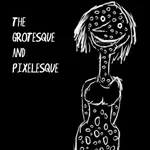
The visual language of this title relies on stark, high-contrast imagery. By utilizing a limited color palette, the developers emphasize the isolation inherent in every story. The Grotesque and Pixelesque creates a sense of unease through what it doesn't show, forcing the player's imagination to fill the gaps with their own deepest fears.
Deconstructing Pixel Horror Aesthetics
Pixel art often implies nostalgia, but here, it serves to mask the sheer horror of the situations. Characters look harmless from a distance, yet their actions reveal deep-seated depravity. This duality keeps players on edge, never fully trusting the environment despite its simple appearance. The aesthetic choice is a deliberate tool for subverting expectations.
- Examine every corner for hidden environmental clues.
- Track character dialogue for inconsistencies that reveal dark secrets.
- Experiment with seemingly irrational actions to unlock hidden story branches.
Auditory Tension and Soundscapes
Sound design elevates the experience from mere reading to visceral terror. Distant thuds, rhythmic dripping, and muffled whispers create a constant state of anxiety. These auditory triggers are perfectly synced with the visual shifts, ensuring that the player remains perpetually uncomfortable. It is not just a game; it is an immersive auditory gauntlet.
Psychological Impact and Ending Discovery
The true genius of The Grotesque and Pixelesque lies in its refusal to offer closure. Many endings leave the player questioning the nature of the reality they just navigated. This ambiguity is a feature, not a bug, designed to haunt you long after the window is closed. You are left to piece together the fragments of a broken narrative.
Mastering Multiple Ending Paths
Achieving every outcome requires a systematic approach to decision-making. You must treat each run as an experiment, documenting which choices lead to specific outcomes. Pattern recognition becomes your most valuable asset when deciphering the complex web of consequences hidden within each chapter.
Some paths are locked behind obscure interactions. For example, a player might need to interact with a specific household item before initiating a conversation to trigger a secret dialogue option. These layers of complexity reward the dedicated explorer who refuses to take the obvious path.
The Value of Perpetual Replayability
Replaying is essential for a complete understanding of the overarching themes. By shifting your perspective, you uncover how individual stories connect, revealing a broader, more sinister tapestry. Strategic experimentation allows you to witness the full scope of the developer's vision, transforming a collection of shorts into a cohesive masterpiece of psychological horror.
The game challenges you to look past the surface. While the pixelated visuals suggest simplicity, the underlying mechanics demand total focus. Careful observation of the narrative structure reveals a calculated design meant to unsettle, disturb, and ultimately challenge your perception of moral certainty.
Frequently Asked Questions About The Grotesque and Pixelesque
How do I unlock the secret endings hidden within the chapters?
Unlocking secret endings requires interacting with objects that appear extraneous. Perform actions that seem contrary to the story's flow, such as returning to previously visited rooms after a major event. The game tracks these non-linear movements and often rewards them with unique narrative branches that remain closed during standard playthroughs.
Why do my choices often lead to such dark and unexpected conclusions?
The narrative design intentionally avoids the concept of a 'good' ending. Every choice carries a heavy cost, reflecting the bleak tone of the anthology. To navigate these paths successfully, stop looking for a happy outcome and start looking for the truth behind the characters' motivations.